
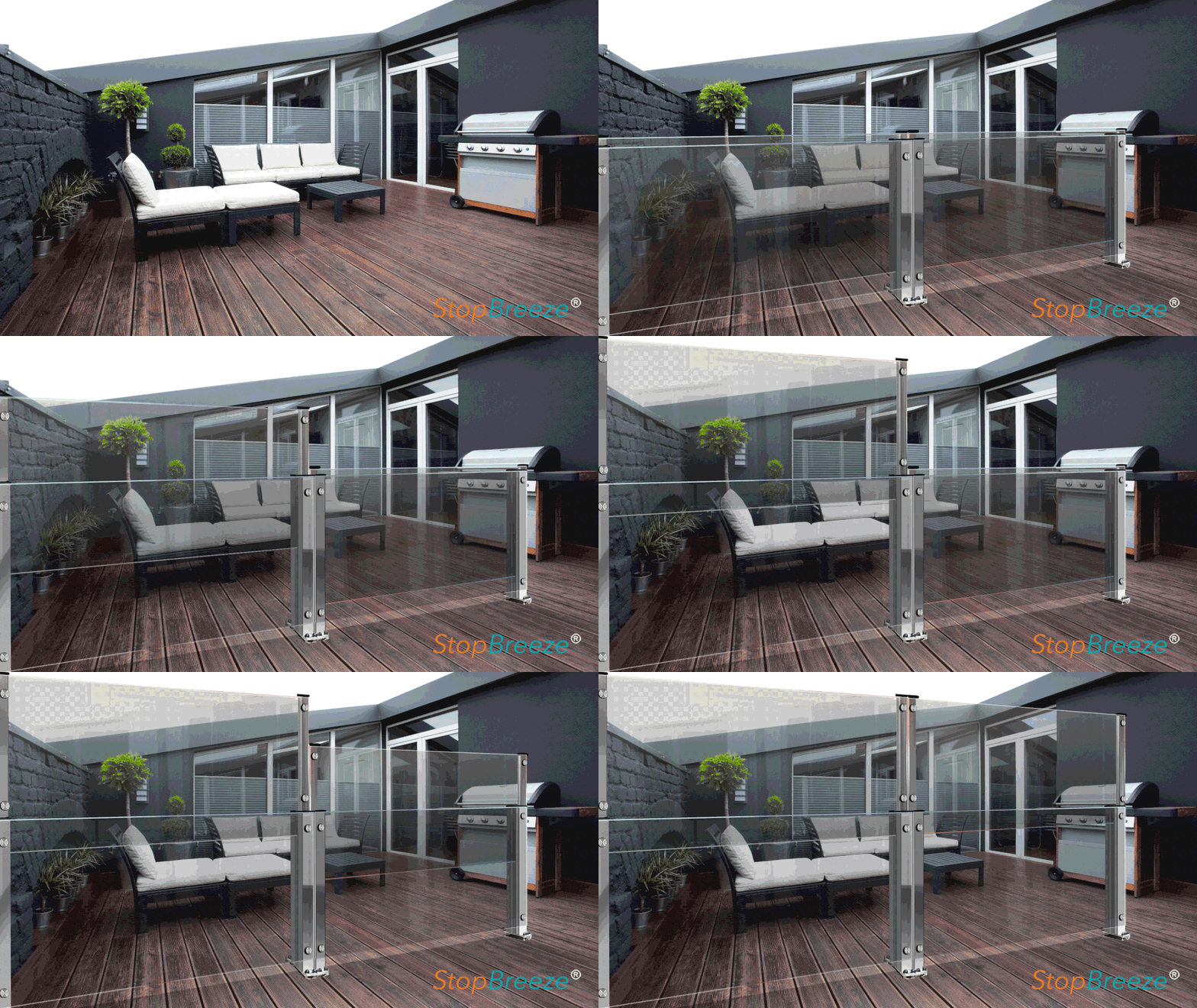
Installing Variable Height Railings
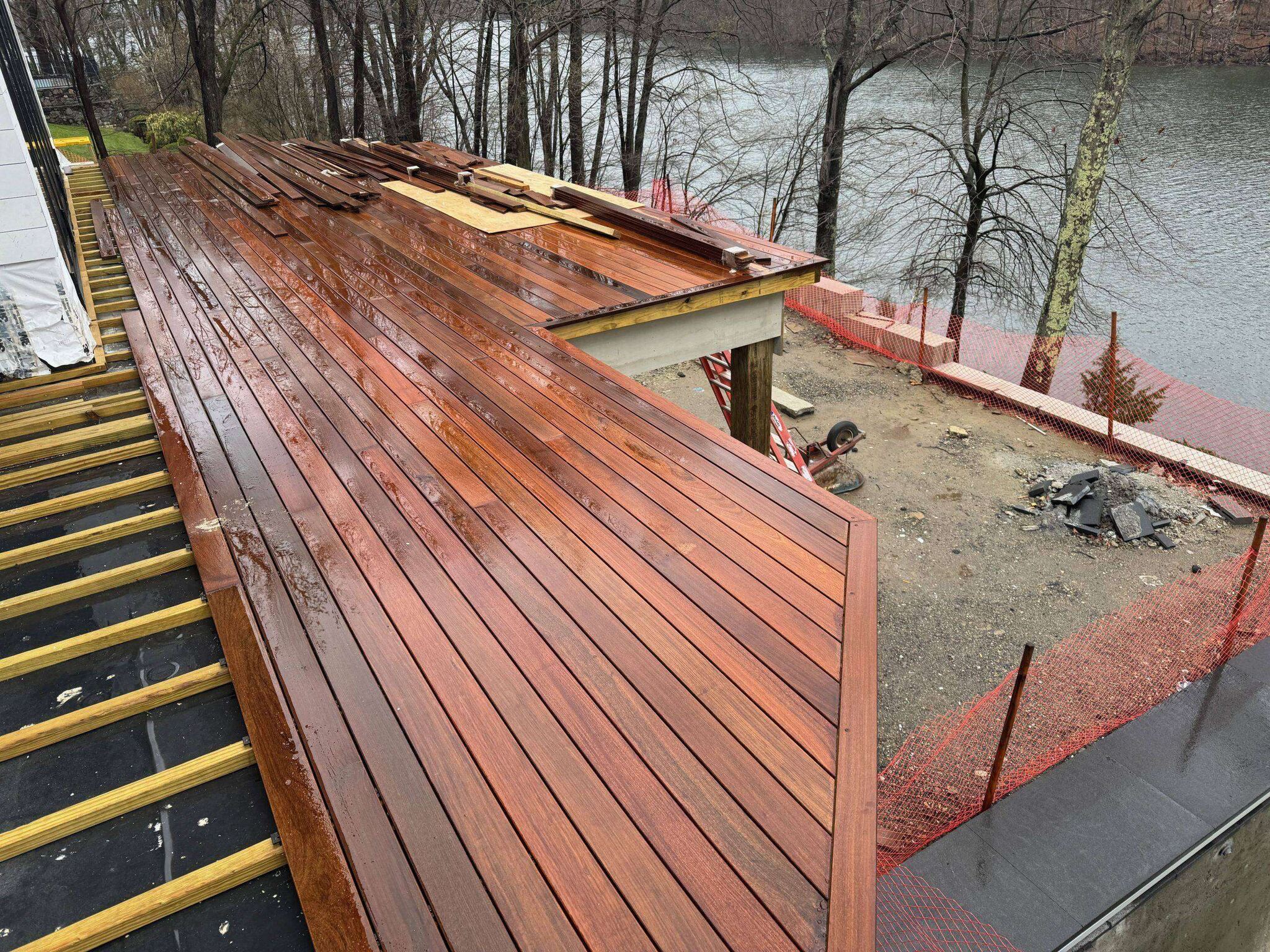
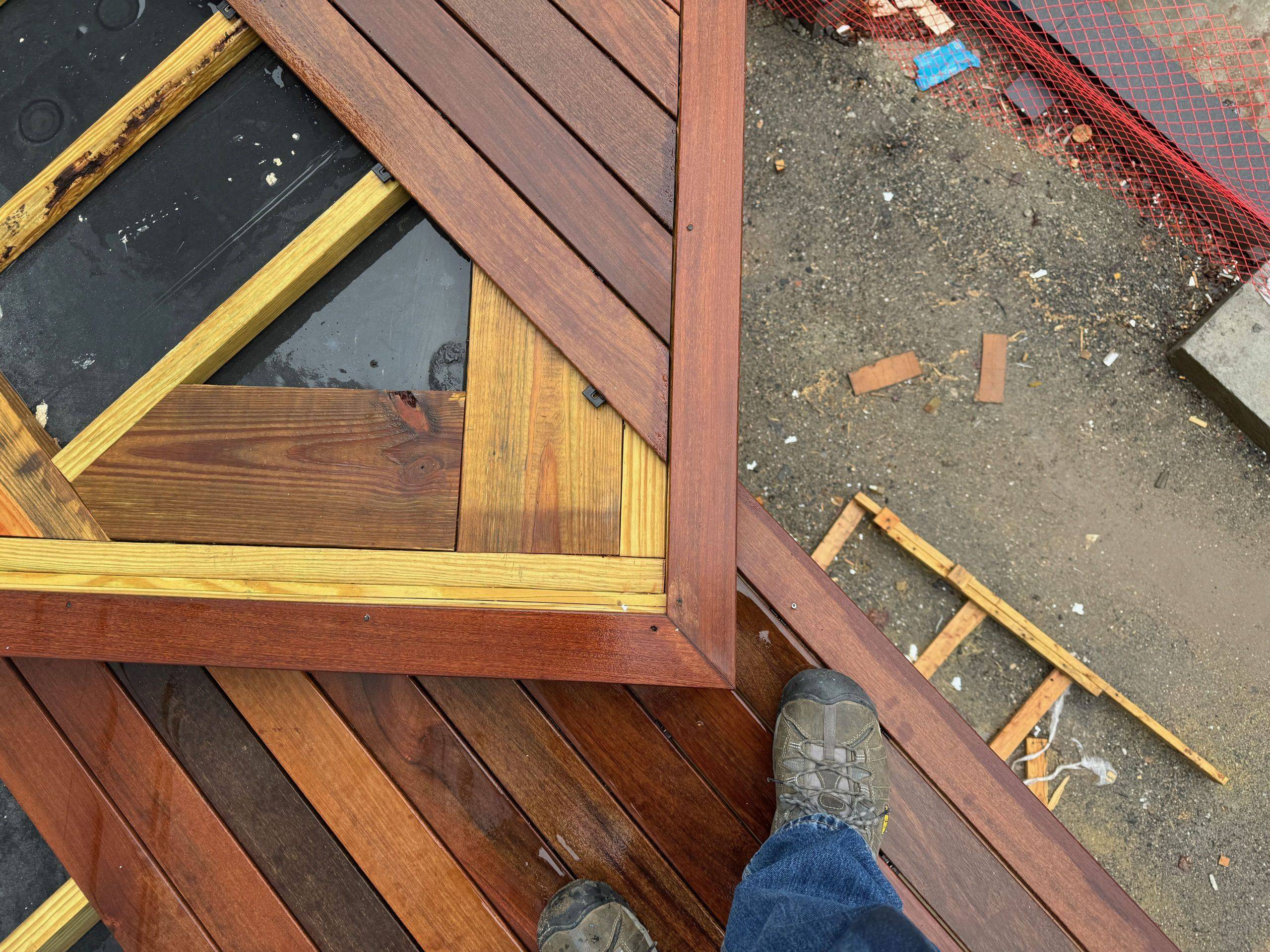
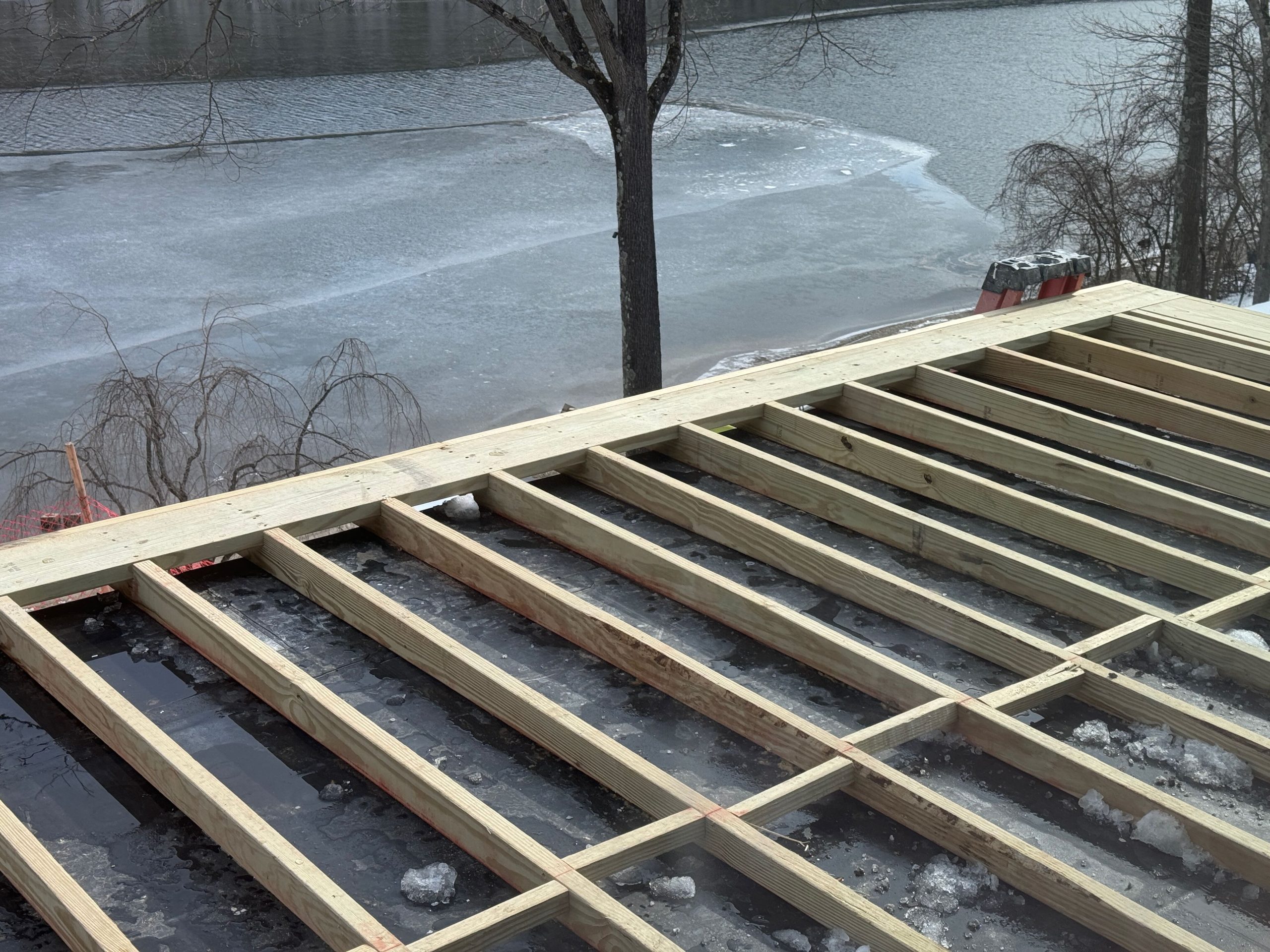
Before we install the railing it is important to make sure that the structure of the deck is strong enough. On most occasions it will be necessary to add some blocking to the underside of the deck between the joists. The easiest wat to do this is to cut some 2″ x 10″ stock into 14.5″ lengths and nail or screw them securely to the joists. We recomend two pieces. The railing can then be put into position and screwed to the deck using 3/8″ stainless steel lag bolt with a 3/4″ washer. If access to the underside of the deck is good you could always use a 3/8″ bolt with washer and nut on the underside.

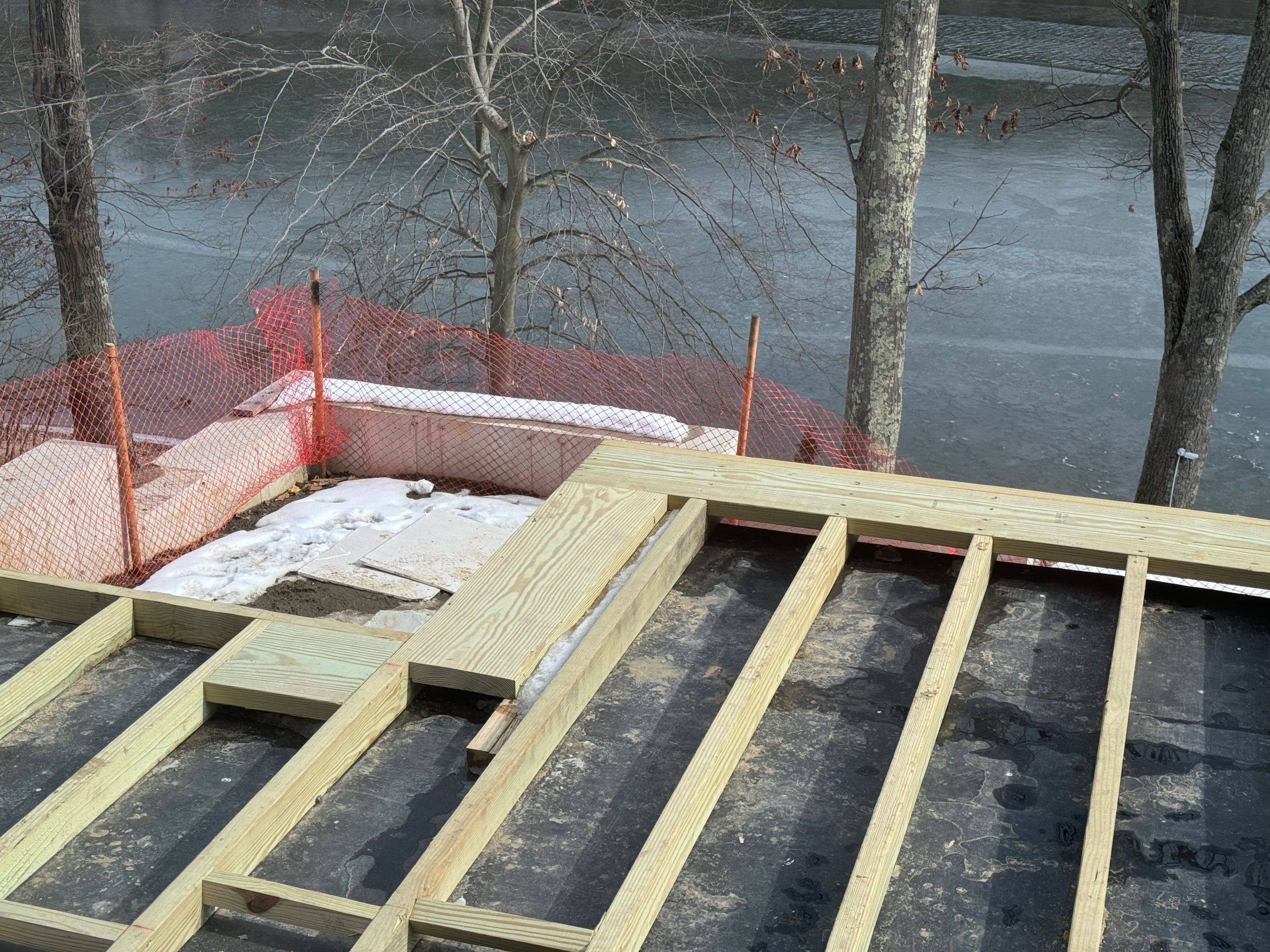
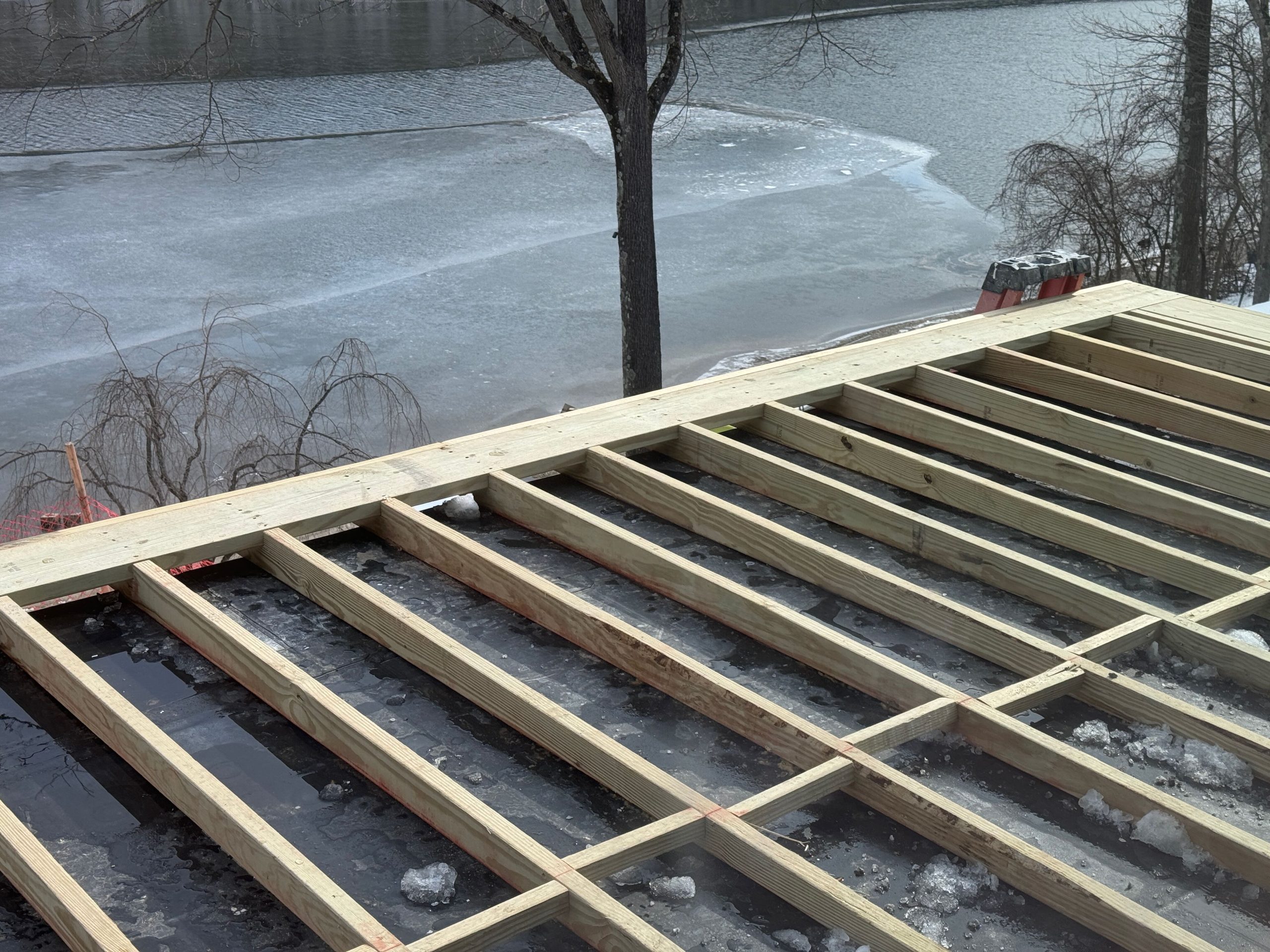
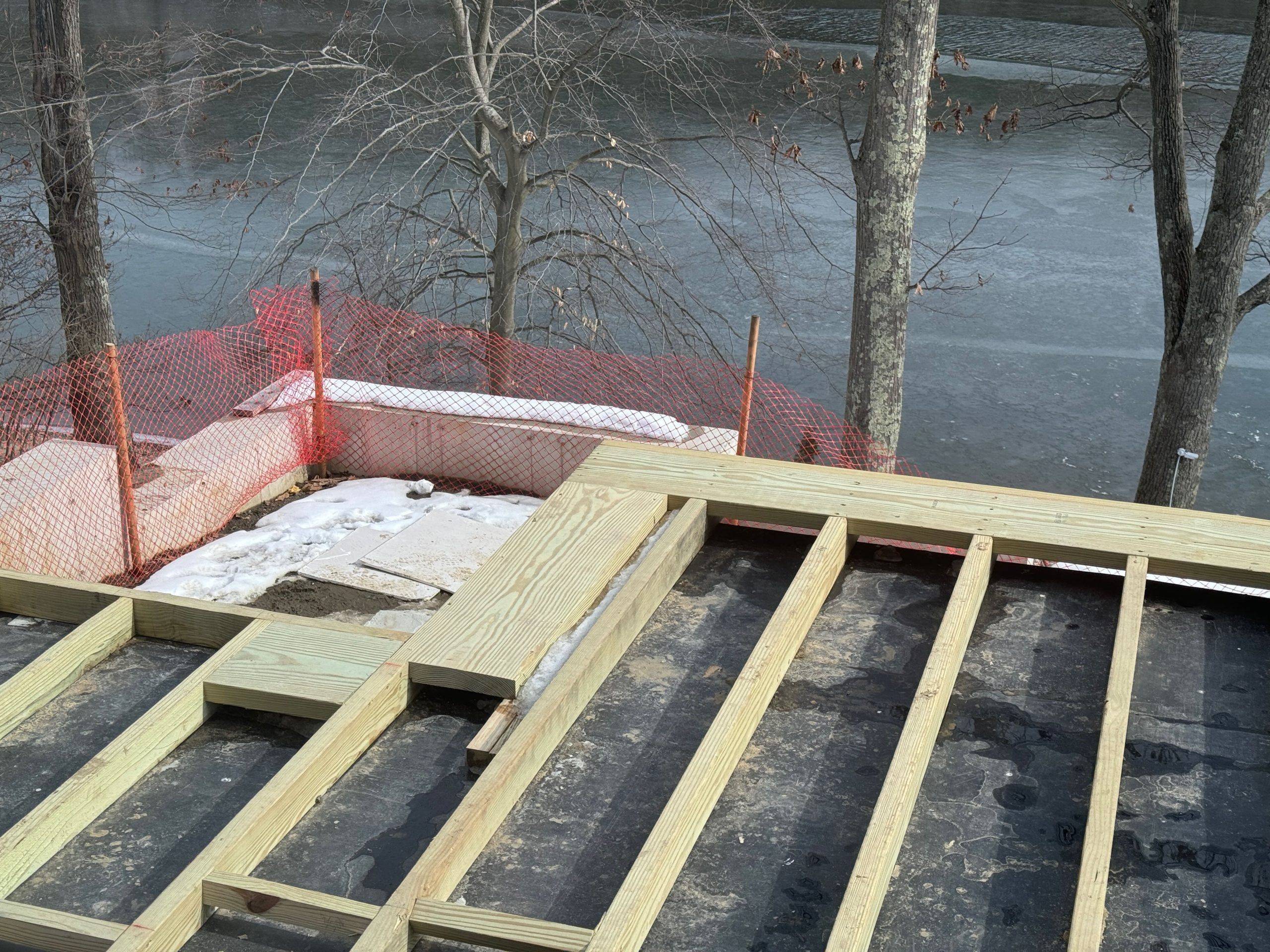
Blocking will need to be added to the deck between the joists to support the variable height railing. This can be done during deck construction of retrospectively. Cut a 2″ x 10″ pressure treated beam into 14.5″ sections.
Add two peices of the pressure treated up under the decking between the joistrs and secure with nails of screws to the joists.


The blocking will be inside the Rim Joists. Additional screws can secure the blocking from the front as well mas the sides.
Add an additional rim joist if needed.

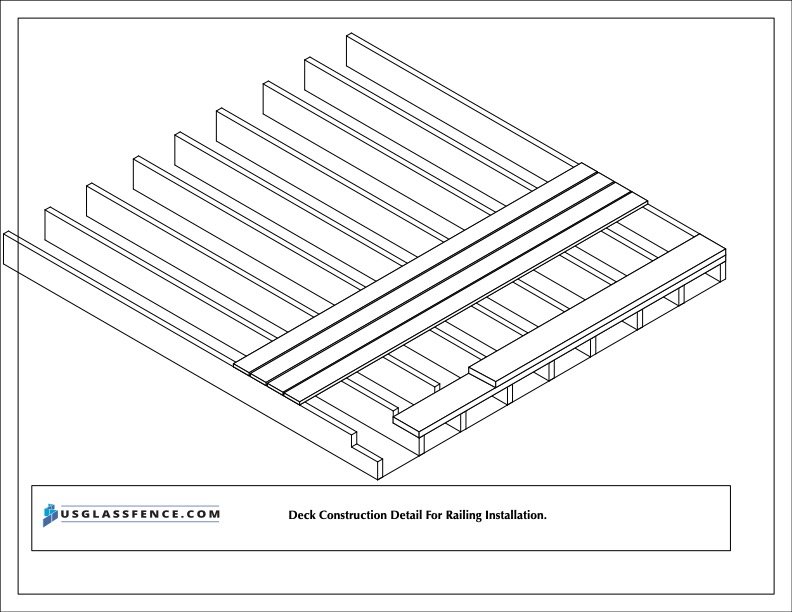
For new construction decking projects the joistsn can be knotched to accomodate one of two 2″ x 8″ joists laid on their sides and nailes in place. This will allow the railing to be fixed in any location and will accomodate water drainage.
Railings can be log bolted or thru bolted depending on the access to the underside of the structure.
Installing Retractable Glass Railings and Wind Barriers
Professional installation is an important part of a successful retractable glass railing project. Layout, substrate, anchoring, dimensions and site conditions all affect how a retractable wind barrier should be planned and secured. Installers should follow the applicable product instructions and evaluate project-specific structural and code requirements before installation.
Systems such as StopBreeze Variable Height Glass Railings use an adjustable upper glass section to provide flexible wind protection. When extended, the system works as a transparent retractable wind break; when lowered, it provides a more open profile. This combination makes variable-height glass systems relevant to residential, hospitality and commercial projects.
For projects that do not require adjustable height, fixed-height glass railing options are also available, providing a consistent glass profile and transparent wind protection.